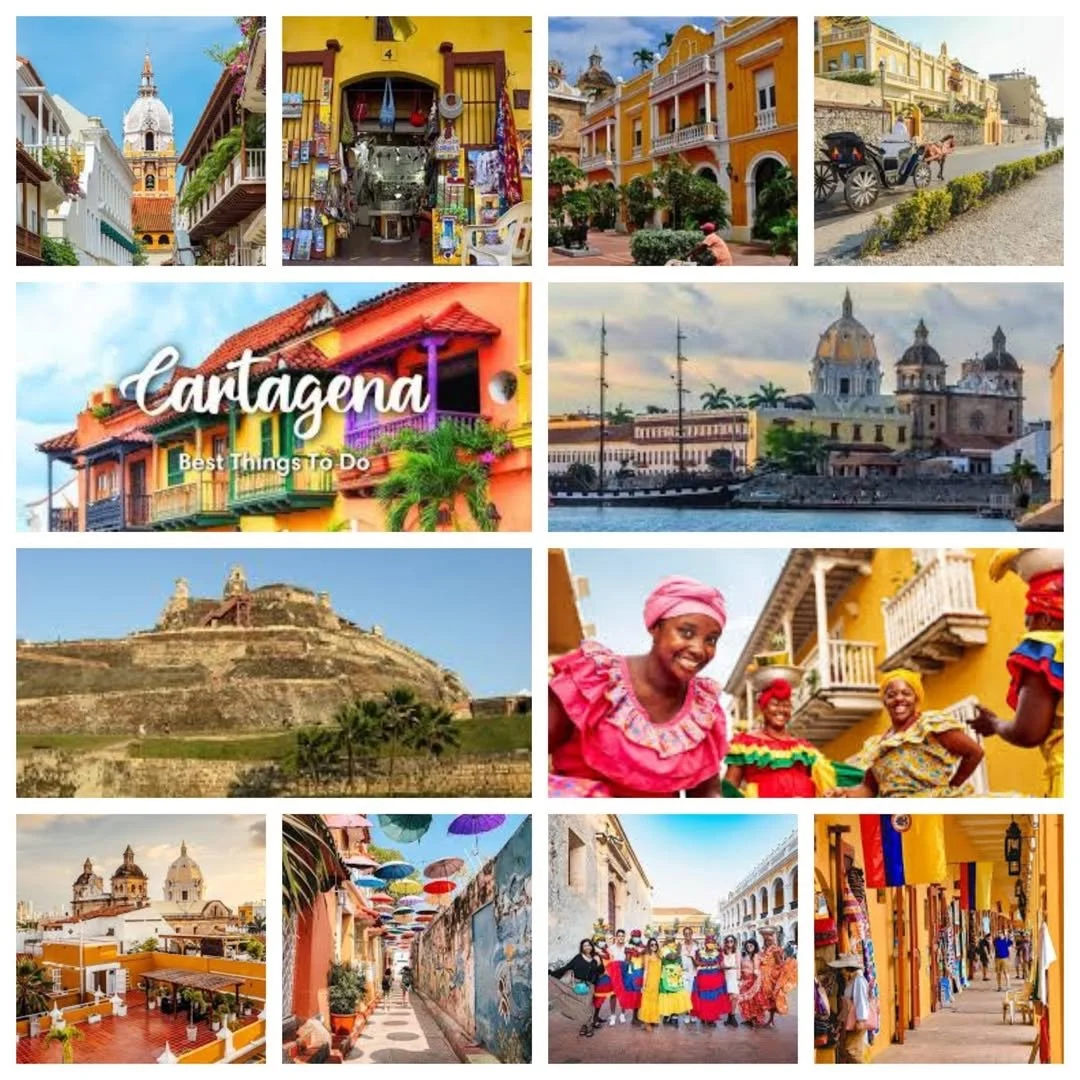
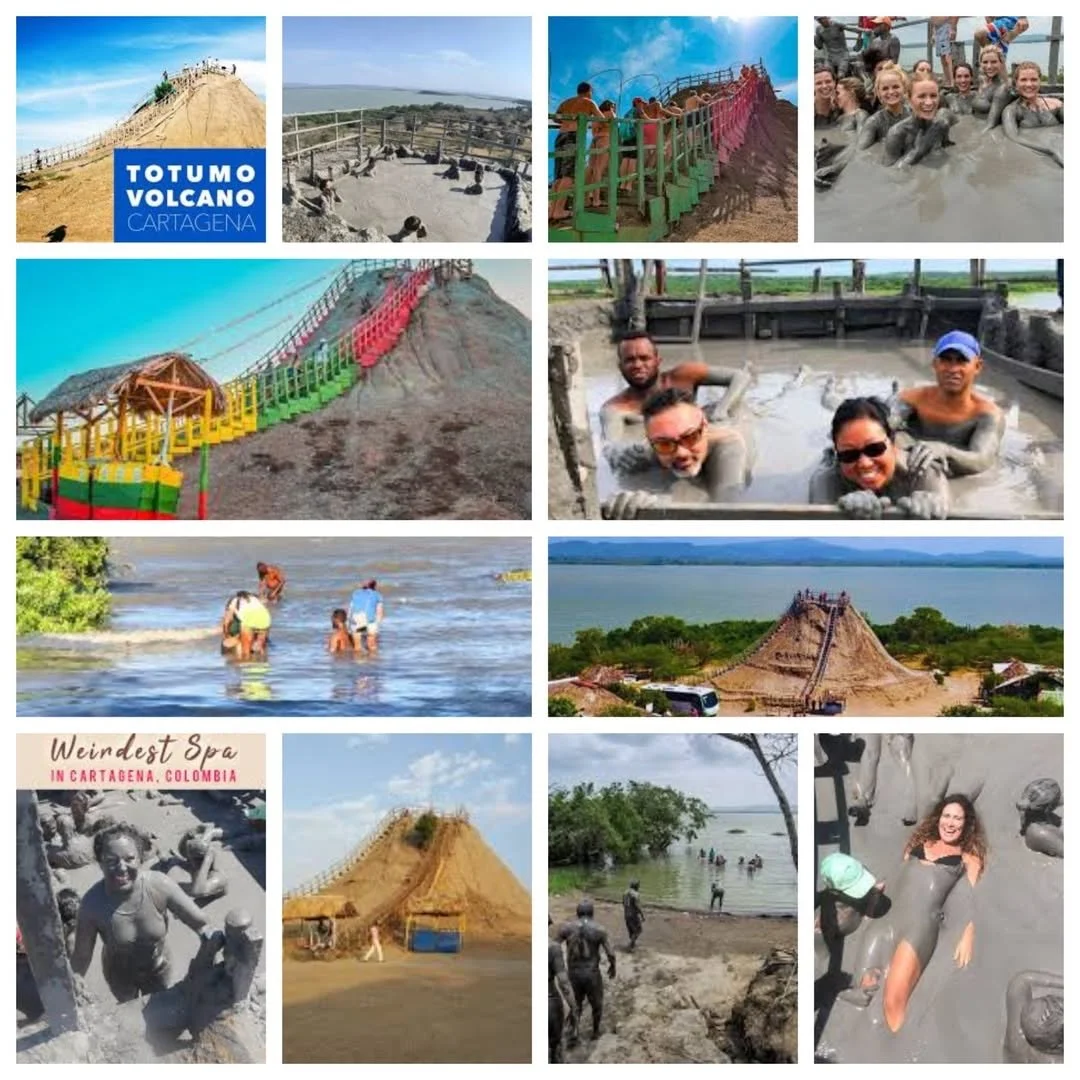
Cartagena is one of the most famous cities on the Caribbean coast of Colombia. Officially called Cartagena de Indias, it is renowned for its beautifully preserved colonial architecture, vibrant culture, and tropical setting.
A brief history
Founded in 1533 by Spanish conquistador Pedro de Heredia, Cartagena quickly became one of the Spanish Empire's most important ports in the Americas. Gold and silver passed through the city on their way to Europe, making it wealthy—but also a target for pirates.
To defend itself, the city built extensive fortifications, many of which still stand today. The historic centre and its defensive walls were recognised as a UNESCO World Heritage Site in 1984.
What makes Cartagena special?
The Walled City
The heart of Cartagena is its Old Town, enclosed by massive stone walls. Inside you'll find:
Colourful colonial buildings with flower-filled balconies
Charming plazas and churches
Boutique hotels and rooftop bars
Street musicians and dancers
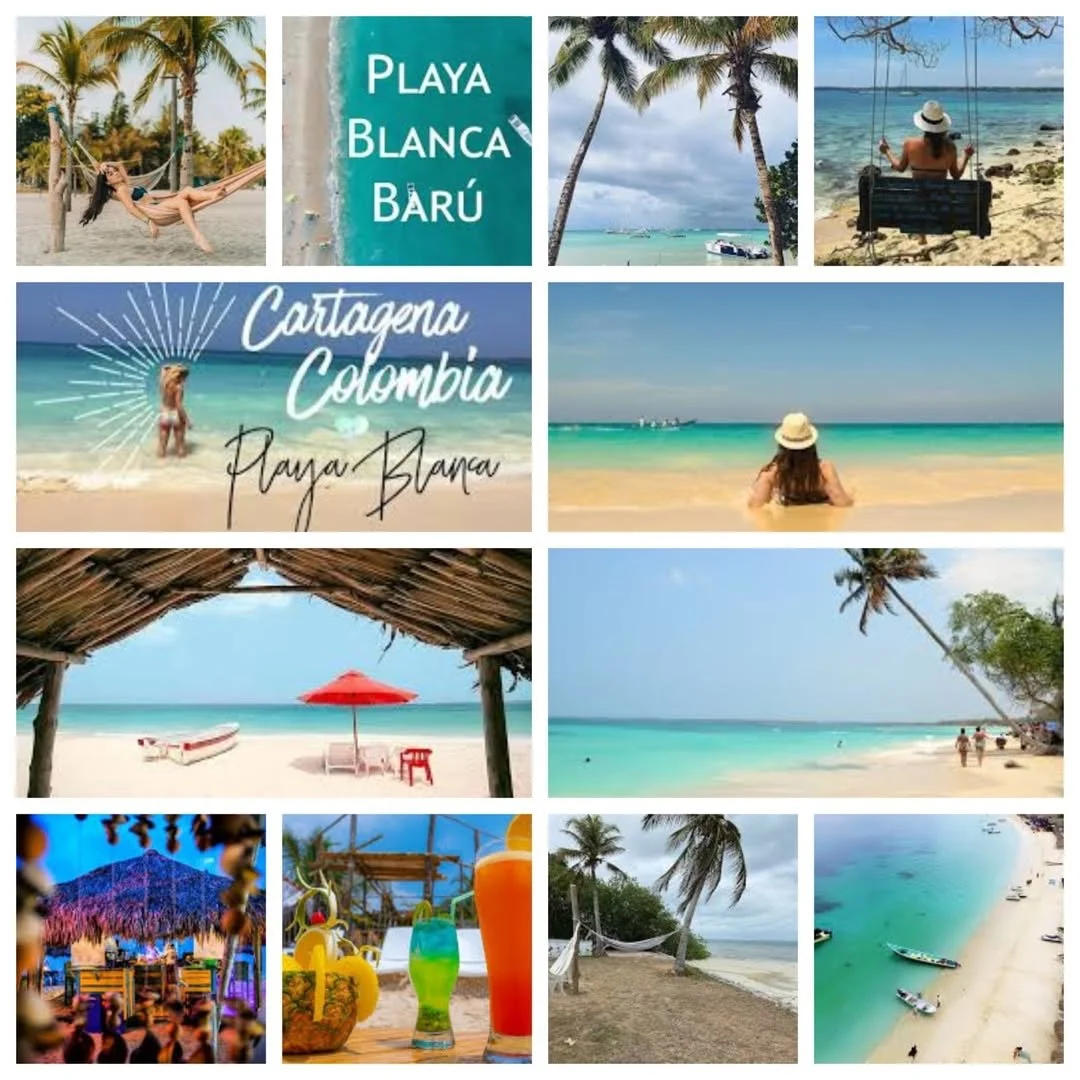
Caribbean beaches and islands
Although Cartagena's urban beaches are convenient, many visitors head to the nearby Rosario Islands, an archipelago known for turquoise waters, coral reefs, and white-sand beaches.
Interesting facts
Cartagena played a key role in Colombia's struggle for independence and is nicknamed "La Heroica" ("The Heroic City").
It inspired writers including Gabriel García Márquez, whose works capture the atmosphere of Colombia's Caribbean coast.
The city's colourful architecture has made it a popular filming location and one of South America's most photographed destinations.
If you visit Cartagena today, you'll experience a fascinating mix of history, Caribbean relaxation, lively nightlife, and some of the most picturesque streets in Latin America.
⛫Fortresses and military history
The most impressive fortification is Castillo San Felipe de Barajas, a huge fortress built to protect the city from invasion. Another popular viewpoint is Convento de la Popa, a monastery perched on the city's highest hill.
Food and culture
Cartagena blends Spanish, Indigenous, and African influences. Local favourites include:
Arepa
Ceviche
Coconut rice served with fried fish
Fresh tropical fruits sold by street vendors
The city also hosts festivals celebrating music, literature, and Caribbean traditions.
When to visit
December to April: Dry season, sunny weather, and the busiest tourist period.
May to November: Wetter and more humid, but often less crowded and sometimes cheaper.
Temperatures remain warm year-round, typically around 28–32°C (82–90°F).
Cartegena $35 Panoramic and Shopping Tour
Cartegena $65.95
Cartegena Quiet beach in Playa Blanca Baru with lunch